Understanding the Arborist Field: Key Facts and Perks for Your Yard
Arborists serve a vital function in preserving beautiful and thriving landscapes. Tree care experts hold comprehensive expertise in arboriculture, covering multiple services that support tree wellness and security. Their proficiency shapes property visual appeal and ecological responsibility. Understanding their qualifications and the benefits they provide can greatly influence property management decisions. Still, identifying the ideal tree professional calls for meticulous review of numerous factors that can markedly affect tree service results.
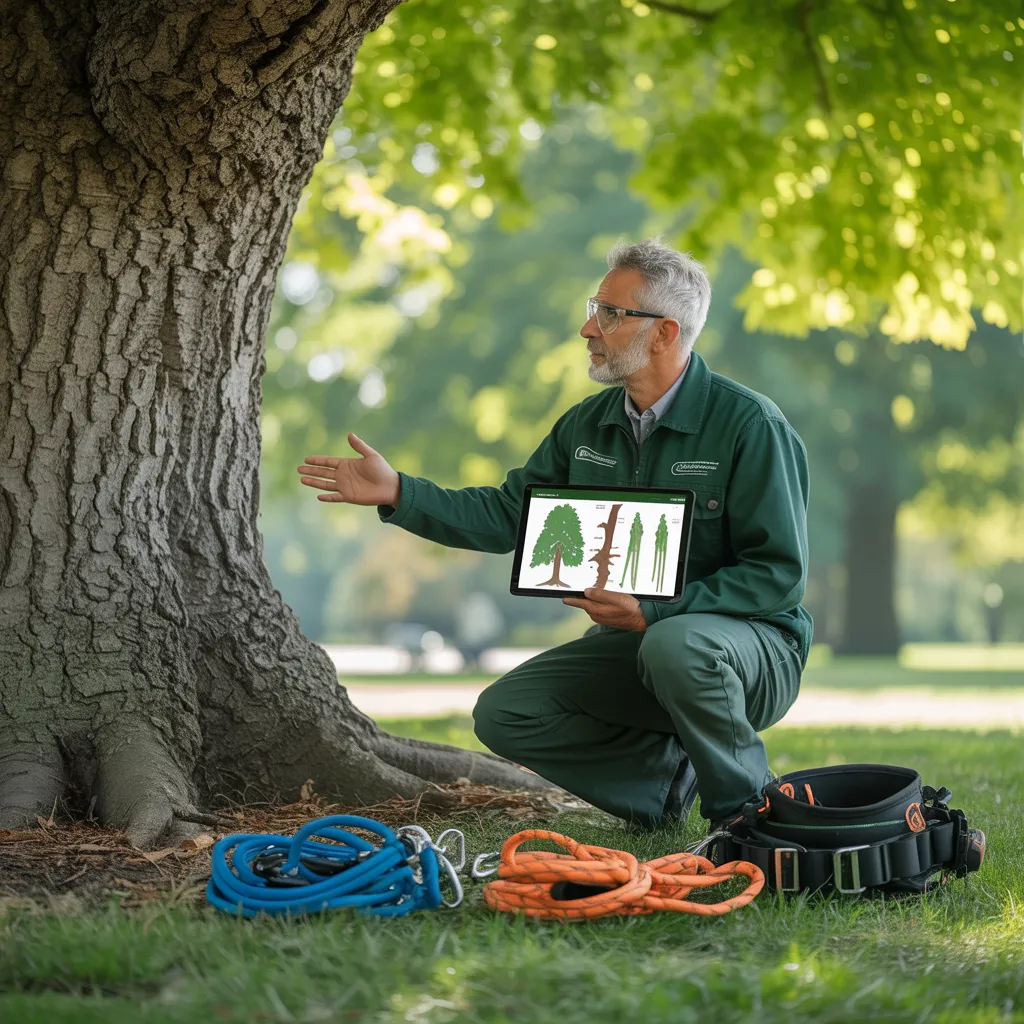
What Does an Arborist Do?
A tree surgeon, also called an arborist, is a professional who specializes in the maintenance and management of trees. Their expertise encompasses a range of services, including tree planting, pruning, and disease management. Arborists possess thorough knowledge of tree biology, health, and the environmental factors influencing tree growth. They are trained to examine the condition of trees and recommend effective care techniques to maintain their longevity and safety. Arborists may also be involved in the removal of hazardous trees, providing advice on tree selection for landscaping, and implementing measures to protect trees during construction projects. Certification and ongoing education are essential in this field, confirming that arborists stay current with best practices and advancements in tree care.
The Significance of Tree Maintenance
Appropriate tree care is essential for preserving the health and longevity of trees, which play an significant role in the ecosystem. Additionally, well-maintained trees improve the aesthetic appeal of landscapes, adding to the beauty of residential and commercial properties. Understanding the importance of tree care can lead to more informed decisions regarding the management of green spaces.
The Health of Trees
Tree health is crucial for maintaining the ecosystem and improving urban environments. Well-maintained trees deliver various benefits, including enhancing air quality, supporting biodiversity, and regulating temperature. Appropriate arboricultural practices, such as regular pruning, pest management, and soil maintenance, ensures trees can thrive and contribute effectively to their surroundings. Arborists perform a vital part in diagnosing tree ailments and implementing treatment plans to promote longevity. Additionally, healthy trees are more resilient to environmental stresses, such as drought and disease, thereby reducing the need for costly interventions. Committing to tree health not only improves the local landscape but also fosters a sustainable environment, benefiting both people and wildlife. Prioritizing tree care is fundamental for ecological balance and community well-being.
Beauty Enhancement Features
Maintaining the health of trees not only supports ecological balance but also substantially improves the aesthetic appeal of landscapes. Properly maintained trees contribute to the visual harmony of outdoor spaces, providing texture, color, and structure. Arborists serve a vital role in accomplishing this enhancement through appropriate pruning, disease management, and soil care. They guarantee that trees remain healthy and well-shaped, which can substantially increase property value and create appealing environments. Additionally, diverse tree species planted strategically can deliver seasonal beauty, from blooming flowers in spring to vivid autumn foliage. On the whole, professional tree care fosters a stunning landscape that fulfills both aesthetic requirements and environmental needs, making it essential for homeowners and property managers alike to utilize arborist services.
Critical Qualifications and Certifications
When pursuing a career as an arborist, individuals must meet specific qualifications and gain pertinent certifications to guarantee they have the required skills and knowledge. A high school diploma or equivalent is usually required, while a degree in horticulture, forestry, or a similar field can enhance employment opportunities. Practical experience through apprenticeships or internships is highly valuable for real-world training.
Credentials from reputable organizations, such as the International Society of Arboriculture (ISA), are vital in building credibility. The ISA Certified Arborist credential necessitates passing an examination that evaluates knowledge of tree biology, management, and safety practices. Continuing education is also necessary for arborists to keep informed on industry standards and advancements, guaranteeing they provide the highest level of service to their clients.
Common Tree Care Services
Common arborist services include important tree pruning practices and safe tree removal protocols. This work is vital to maintaining the health and safety of trees in multiple environments. Grasping the methods involved assists property owners make informed decisions about their landscape maintenance.
Tree Trimming Techniques
Arborists employ tree pruning techniques as crucial practices to enhance the health and aesthetics of trees. These methods include crown thinning, which removes select branches to increase light penetration and air circulation, consequently decreasing disease risk. Crown raising focuses on removing lower branches to enhance clearance and visibility. Alternatively, crown reduction involves shortening branches to decrease tree height or spread, ensuring safety without sacrificing the tree's health. Additionally, deadwood removal is vital for removing diseased or damaged branches, which can present dangers. Arborists also employ selective pruning to shape trees and promote outward growth. Each technique is adapted to the specific species and condition of the tree, ensuring maximum growth and longevity while sustaining the landscape's visual appeal.
Tree Removal Processes
Successful tree maintenance involves not only cutting but also the careful removal of trees when needed. Arborists follow established practices to provide safe and effective tree removal. The operation typically starts with a detailed evaluation of the tree's state and its surroundings. This evaluation helps determine the optimal method for removal, evaluating factors such as tree height, location, and proximity to buildings.
Arborists use specialized equipment, including chainsaws and ropes, to secure and dismantle the tree in manageable sections, reducing risk to nearby property. Once the tree is eliminated, stump grinding may follow to remove the remaining stump and roots. Throughout the process, safety protocols are strictly adhered to, protecting both the workers and the environment.
Benefits of Hiring a Certified Arborist
When property owners look to improve the health and beauty of their landscapes, hiring a certified arborist can prove invaluable. These professionals possess specialized expertise in tree biology, care techniques, and pest management, helping ensure trees thrive in their environment. Certified arborists are trained to recognize potential hazards, assess tree health, and recommend suitable treatments, which can prevent costly damage in the long run. Furthermore, their expertise in proper pruning techniques promotes strong growth and minimizes disease spread. By employing a certified arborist, property owners can also enjoy increased property value, improved landscape aesthetics, and enhanced safety for people and structures. Finally, hiring a certified arborist more info leads to healthier, more vibrant landscapes, providing lasting enjoyment and satisfaction.
How Arborists Help Maintain Environmental Sustainability
Qualified arborists fulfill an essential part in supporting environmental sustainability through their knowledge in tree management and conservation practices. By analyzing tree health and implementing appropriate care techniques, they strengthen urban green spaces and boost air quality. Arborists promote biodiversity by selecting appropriate tree species that support local ecosystems, thereby fostering wildlife habitats. Their work in controlling tree diseases and pests reduces the need for chemical treatments, promoting a healthier environment. Furthermore, arborists assist in carbon sequestration efforts by caring for mature trees, which absorb carbon dioxide and mitigate climate change. Through education and community outreach, they increase understanding of the importance of trees, encouraging sustainable practices that benefit both the environment and the communities they serve.
Picking the Right Arborist for Your Specific Needs
How can property owners guarantee they select the correct arborist for their specific needs? Initially, they should check the arborist's credentials, including certifications from established organizations such as the International Society of Arboriculture. Experience is crucial; therefore, property owners should ask about the arborist's background and prior projects. Furthermore, obtaining references from past clients can provide details into their work quality and reliability. It's also essential to discuss detailed services offered, such as tree pruning, removal, or health assessments, to confirm alignment with the property owner's requirements. In conclusion, obtaining multiple quotes can help assess fair pricing while validating that the selected arborist possesses the necessary insurance coverage, safeguarding both the arborist and the property owner from potential liabilities.
FAQs
How Much Does Hiring an Arborist Typically Cost?
The cost of hiring an arborist typically ranges between $300 to $1,500, contingent upon factors such as the tree's size, location, and services required. Pricing may differ according to regional differences and the complexity of the work required.
Could an Arborist Help With Diagnosing Tree Diseases?
Tree care specialists can assist with tree disease diagnosis. They possess the expertise to identify symptoms, recommend treatment options, and support maintaining overall tree health, providing ideal growth and longevity for the landscape.
What Equipment Do Arborists Typically Use?
Tree care professionals regularly employ tools such as chainsaws, pruning shears, climbing gear, and diagnostic equipment. These implements help with tree maintenance, disease diagnosis, and maintaining the health and safety of both trees and the surrounding environment.
How Often Do Trees Need Professional Arborist Inspections?
Annual tree inspections by an arborist are recommended as a minimum. Nevertheless, older trees or those located in urban settings may require more frequent inspections, especially after severe weather events or noticeable changes in health.
Can Arborists Offer Emergency Tree Services?
Arborists indeed provide emergency tree services. They have the expertise to deal with hazardous conditions, including fallen trees or substantial storm damage, ensuring safety and providing prompt assistance to address risks associated with tree-related emergencies.